Chef Kunal Jariwala, ITC GRAND CHOLA

Sunday, 6 November 2011

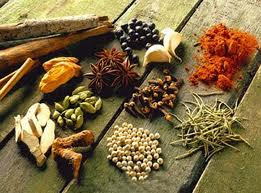
INDIAN SPICES

Spices and aromatics are the very heart of Indian cooking. They have been used since ancient times. They were mentioned in the ancient Hindu scriptures called the Vedas, ancient Egyptian papyruses and the Old Testament. Although it was not until the Roman conquests that western counties discovered their culinary possibilities, spices have always been believed to have healing and magical qualities. They have been used to cast spells, as incense in religious rites, to embalm corpses, to add aroma to perfumes and as aphrodisiacs. The word spice comes from Latin species, meaning a commodity of value and distinction. During their long and fascinating history, spices have often been more valuable than gold or precious stones, and the trade of spices has been an extraordinarily influential factor in history.
Many researchers have attempted to explain why hot spices are pleasant to taste. It seems the burning sensation is the pain of nerve endings on the tongue. This releases endorphins, the body’s natural painkillers, giving rise to pleasurable and even euphoric sensations.
Flowers, leaves, roots, bark, seeds and bulbs (the simplest of natural ingredients) are used in endless combinations to produce an infinite variety of flavors: sweet, sharp, hot, sour, spicy, aromatic, tart, mild, fragrant or pungent. Their tastes and aromas combine to create a kaleidoscope of exotic flavors to delight the plate. It is best to obtain spices in whole seed form and to grind them just prior to use.
Indian spices spices offer significant health benefits and contribute towards an individual's healthy life. They add flavor and nutrients to dishes without fat or calories!
Understanding the health benefits of each ingredient is key to optimizing home cooked meals for the particular needs of the family.

Tuesday, 27 September 2011

Homemade Pappardelle with mixed mushrooms


  • 500g wheat flour

  • 7 medium eggs


  • 400g mixed mushrooms (e.g. button mushrooms and king oyster mushrooms)


  • Olive oil


  • 2 Garlic cloves, finely chopped


  • 2 dried chili peppers, finely chopped


  • Juice of half a lemon


  • A handful of freshly grated Parmesan


  • A handful of chopped parsley


  • 70g butter


  • Salt and pepper


  • Method:

  • For the pasta combine flour and eggs in a bowl and stir with a fork and then use your hands to knead the dough until it is smooth and even in colour

  • Wrap the dough ball in plastic wrap and put it into the fridge for about one hour

  • After that you can roll the dough by using a rolling pin or a pasta machine to make the dough real thin, use flour for the working plate and your hands

  • When you have finished rolling the dough and it is thin enough (about 1-2 mm), you can cut the pasta into 3 cm wide strips

  • Be sure to always cover the ready pasta strips with flour to prevent them sticking together later on

  • For the pasta sauce clean the mushrooms with a brush and cut them into rough pieces

  • Put about three table spoons of olive oil into a hot pan and fry the mushrooms in the pan together with the garlic and the dried chili on medium heat

  • Add lemon juice, Parmesan, parsley and butter and let the sauce simmer on low heat

  • Season with salt and freshly ground pepper

  • Cook the pasta for about 8 minutes in boiling salt water

  • Serve the pasta with fresh parsley and grated Parmesan

  • Friday, 23 September 2011

    Malpua served with Churma

    If any sweet deserves epicthet 'ancient', it is malpua. THis historic sweet has altered very little from its original form- the fried dainty, appa, which was made by boiling or ghee-frying flour cakes and then dipping them in honey.
    It is served with churma
    Ingredients:


    • Barley flour          1 1/2 cup
    • Black pepper corn(very lightly crushed)   1/2 cup
    • shakkar(powered jaggery)                      1/3 cup
    • fennel seeds                                          1 1/2 tsp
    • milk                                                      1 1/3 cup
    • ghee for the batter                                 1 tsp
    • honey                                                   3 tbsp
    • a pinch of salt
    • desi ghee for shallow frying

    Method:

    1. Dissolve shakkar in milk.
    2. Pour the mix into a bowl containing the barley flour and gradually mix well with whisk. There should be no lumps.
    3. Now add crushed pepper corn, fennel seeds and a pinch of salt.
    4. Add 1 tsp of ghee and mix well.
    5. Heat the thick, heavy griddle or tawa to make the pancake.
    6. Melt 1 tbsp of ghee on the griddle, till desi ghee is slightly smoking.
    7. whisk the batter once or twice to mix andwith a ladle pour batter in a circular motion to complete the pancake  which should be about 5-6 inch in diameter.
    8. Smooth it on top with a spatula if required.
    9. Continue cooking on fairly medium high heat.
    10. With a knife lift the edges of the pancake to let the ghee run under it.
    11. As it sets, lift it gently and turn it over to cook for a minute until pancake is reddish brown and crisp on the edges.
    12. Smear the top surface with honey.

    Churma


    Ingredients:

    • whole wheat flour       1/2 cup
    • Desi ghee                    2tbsp
    • shakkar(powdered jaggery) 2tbsp
    • green cardamom powder freshly grounded  3/4 tsp.

    Method:

    1. Add half melted desi ghee in whole wheat flour, mix lightly until the flour looks like crumbs.
    2. Melt the rest of the ghee in a heavy bottom pan, add the whole wheat flour and desi ghee mixture and sautee by continuously stirring on low heat until golden brown and the wheat flour starts giving a pleasant aroma.
    3. Add in shakkar and green cardamom powder, mix well, then remove from heat.
    4. Serve churma on top ofthe malpua.

    Thursday, 22 September 2011

    BURNT GARLIC WITH WHOLE WHEAT PASTA

     wheat pasta flavoured deeply with burnt garlic
    Ingredients:

    Garlic, sliced thinly
                               15 cloves

    Whole wheat penne pasta              
    200 grams

    Olive oil
    4 tablespoons

    Green capsicum, seeded and chopped
    1 medium

    Cherry tomatoes, halved
    6

    Salt                                                       
    to taste

    Crushed red chillies                         
    1 teaspoon                                                                       
     Broccoli, blanched                            1 teaspoon

    Dried mixed herbs                           


    5-6 florets 
    Method:

    Boil plenty of water in a deep pan and cook pasta in it till al dante. Drain and refresh.Heat olive oil in a wok. Add garlic and sauté till golden. Add green capsicum and sauté. Add cherry tomatoes and continue to sauté. Press the tomatoes with the back of the stirring spoon so that they release some juices. Add salt, crushed red chillies and dry mixed herbs and stir. Drain the pasta and add to the wok. Add broccoli and mix. Serve hot.

    Penne all'arrabbiata

    Firstly, this fiery dish gains its name arrabbiata (angry) because of the use of chilli. When preparing this angry dish, feel free to use as much chilli as you want, it is up to you and to your mouth, to make it angry or very angry!

    This is a recipe that has its origin in the central part of Italy, more precisely, it belongs to the Roman cooking tradition. As you can imagine, in Italy there are so many versions of it because of the different regional cooking traditions that influence this famous dish, some are so adventurous that they have nothing to do with a proper arrabbiataouth, to make it very angry!

    Ingredients:
    • 400 g (14 oz) Penne rigate pasta
    • 90 ml (3 ½ oz) Extra virgin olive oil
    • 2 Cloves of garlic (finely chopped)
    • 2 or 3 Whole dried red chilli (roughly chopped)
    • 500 g (1.1 lb) Chopped tomatoes
    • A small handful of flat leaf parsley (roughly chopped)
    • Salt for seasoning

    Method:
    1. Chop the garlic and chilli.
    2. Heat the olive oil in a sauté pan (medium heat) and add the chopped ingredients (garlic/chilli) into the pan.
    3. Sauté for a couple of minutes or until the garlic becomes golden in colour.
    4. When the garlic has turned to golden, add the chopped tomatoes.
    5. stir for a few seconds.
    6. Season with salt.
    7. Stir again for few seconds.
    8. Now, cook on medium/low heat for about 20-25 minutes, to reduce the sauce. After this time the suace will be ready.
    9. A few minutes before the arrabbiata sauce is ready, boil your pasta and when the pasta is cooked al dente, drain it and add it into the pan containing the sauce
    10. Stir for few seconds to coat the pasta with the sauce. Do this when the pan is still on the heat.
    11. Then, sprinkle with chopped parsley.
    12. Give a quick stir and serve immediately.

    Spaghetti With Pesto And Tomato Salad

    This pesto sauce and tomato salad can be prepared while the pasta is cooking, and then the pesto sauce is simply tossed with the hot pasta before serving with a scoop of the tomato salad on top.You can also change your pasta to make it your own by adding other ingredients such as diced mozzarella, toasted pine nuts, pitted black olives, or instead of the diced plum tomatoes I used, choose a combination of red and yellow halved cherry tomatoes. I prefer to keep the pesto sauce fairly light, but feel free to add more to adjust it to your personal preference. The flavors are lovely in this dish so I always make extra so I can enjoy the pasta the following day for lunch cold as pasta salad.

    Ingredients: 
    • 1 Pound Spaghetti
    • 2 Cups Fresh Basil Leaves, Washed & Dried
    • 1/4 Cup Extra Virgin Olive OIl
    • 2 Garlic Cloves, Peeled
    • Salt & Pepper
    • 1/2 Cup Grated Parmesan Cheese
    • 2 Cups Diced Ripe Plum Tomatoes
    • 1 1/2 Tablespoons Red Wine Vinegar
    Method:

    • Cook the pasta in a large pot of lightly salted water until it is al dente. While the pasta cooks, place the basil, olive oil, garlic, salt and pepper in a food processor and process until smooth. Add the parmesan cheese and pulse to mix. 
    • Toss the diced tomatoes with the vinegar and season with salt and pepper. Drain the pasta, reserving a little of the pasta water in a cup, and then add enough pesto to lightly coat the pasta. Use a little of the pasta water to loosen the sauce if it seems too thick. Spoon the pasta into individual bowls, and top with the diced tomato salad.

    Sunday, 18 September 2011

    Tapelu


    This delicious recipe comes from the Kshtariya family. It is cooked since several years,
    And it is still continuing with the tradition.
    Tapelu means large pot, It is named Tapelu as it is generally prepared in large quantity.
    The dish contains lots of fat as Kshatriyas were warriors.
    In the past people looked upon Kshatriyans to protect them from all dangers. Kshatriyans were kings and warriors in the army, all soldier knew basics of Kshatriyan martial arts. The folklore talks of some great Kshatriyans and legends.The status of Kshatriyans was clearly exalted. Legends tell that Kshatriyan could be told by sight because of his tall, strong and muscular male look.They were supposedly able to fight blindfolded and archers could hit a target by just sound in the dead of the night.Stories of exemplary courage still circulate by word of mouth and are recorded as folk-tales. Teachers of Kshatriyans never accepted non-kshatriyans, for example see the story of Ekalavya.
    Present
    Families consider it as a status symbol or a decoration to have the famous two crossed swords in a shield symbol of a Kshatriyan hung in their house. The Kshatriyan is still a great name and older generation of rural India still attach a great value to it.
    It is prepared during special occasions that to in large quantity.
    The secret behind the recipe is, it taste delicious when prepared in large quantity.
    When prepared at home a pressure cooker can be used.

    Ingredients:

    • 500 gms meat (lamb)
    • 400 gms onions (shallots)
    • 15 gms green chilly
    • 15 gms garlic
    • 15 gms ginger
    • 15gms turmeric
    • 2 tsp red chilly powder
    • Oil as require
    • Salt to taste

    Whole garam masala:2-3 cloves, ¼ nutmeg , 1 cinnamon.(special tapelu masala)
    (grind in to fine powder)

    Method:

    1. Grind green chilly, ginger, garlic, turmeric into a fine paste.
    2. Slice onions into large slices, In such a way that while cooking all the skins are separated.
    3. Take oil in a Tapelu (pot) and sauté lamb until tender.
    4. Once the lamb is tender and glazed. Make a layer of onions above the sauted lamb.
    5. Add the paste to it and let it simmer for a while, Depending upon the quality of the meat.
    6. Onceit is done mix it properly , then temper it with garam masala powder and red chilly powder
    7. Add salt as per your taste.
    8. Serve it with puri.
    9. The lamb will taste best when prepared in quantity, as it will cook in its own fat oil.
    For Puri

    Ingredients:
    • 250 gms wheat flour
    • ½ tsp cumin powder
    • Salt to taste
    • 2 tsp oil
    • Pinch of dry yeast
    • Oil to fry
    Method:
    • Prepare dough out of the above ingredients
    • Roll in 2 inch diameter puris
    • Deep fry.
    • Tapelu taste delicious when served with puri.

     
    Design by Free WordPress Themes | Bloggerized by Lasantha - Premium Blogger Themes | Justin Bieber, Gold Price in India